Why Online Poker and Live Poker Create Completely Different Experiences

Poker has always adapted to changes in technology and player behaviour. In 2026, millions of people switch between online poker rooms and traditional casino poker tables, yet many quickly realise these formats require very different skills, habits, and emotional control. The rules may stay the same, but the environment, pace, psychology, and decision-making process change significantly depending on whether the game happens behind a screen or across a real table. Understanding these differences helps players choose the format that suits their bankroll, personality, and long-term goals.
The Speed of Play Changes Every Strategic Decision
Online poker moves much faster than live poker. A player can participate in hundreds of hands per hour online, especially when multi-tabling. In a physical casino, the same player may see only twenty to thirty hands during that time. This difference affects variance, bankroll management, and the emotional rhythm of the game. Online sessions often become mathematically intensive because decisions repeat rapidly and mistakes accumulate faster.
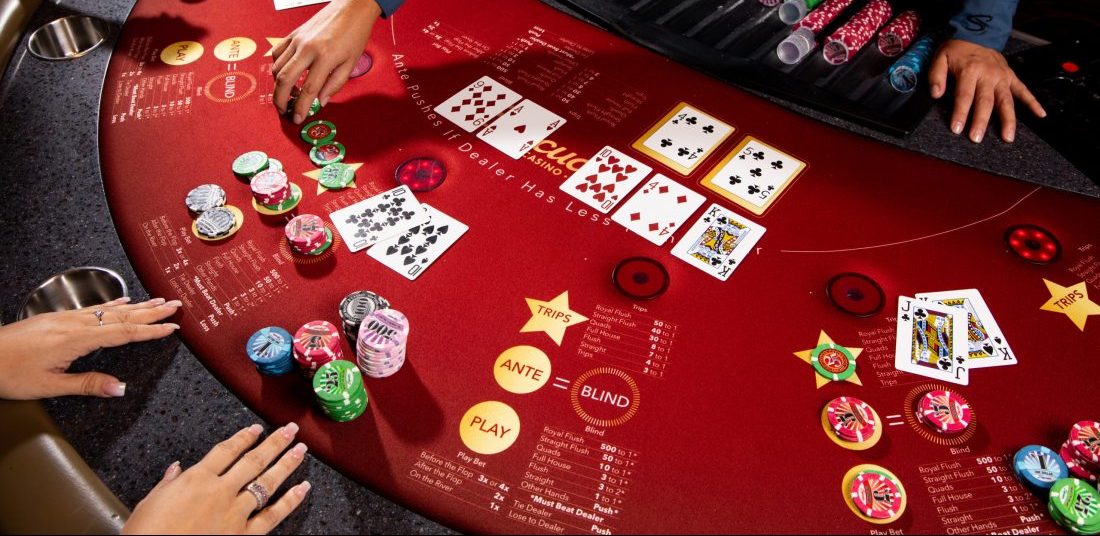
Live poker creates more pauses between actions. Dealers shuffle cards manually, chips are counted physically, and players often spend additional time talking or observing each other. Because of this slower pace, live players usually have more opportunities to analyse betting patterns, table dynamics, and emotional reactions. The game becomes less about volume and more about patience and observation.
The pace also changes the financial side of poker. Online players can grind lower stakes with higher volume and collect rakeback or tournament rewards more consistently. Live poker generally includes larger operational costs for casinos, meaning rake structures may feel heavier at lower limits. For this reason, many experienced players approach online poker as a data-driven environment, while live poker often rewards discipline and social awareness.
Multi-Tabling Exists Only in the Online Environment
One of the biggest differences between online and live poker is the ability to play multiple tables simultaneously. Online professionals frequently manage four, eight, or even more tables at the same time. This increases hourly volume and allows experienced grinders to generate stable long-term profits through statistical advantage rather than relying on a few large wins.
Multi-tabling also changes concentration requirements. Online players rely heavily on automated routines, betting shortcuts, HUD statistics, and time management. Fast decision-making becomes essential because every table continues moving simultaneously. This environment rewards structured thinking and emotional consistency.
Live poker does not offer this possibility. A player participates in one hand at one table at a time, making each decision more personal and socially visible. This slower structure can create additional pressure because mistakes are noticed immediately by other participants. At the same time, many players enjoy the deeper human interaction that online poker cannot fully reproduce.
Psychology Works Differently Behind a Screen
Online poker removes most physical interaction between opponents. Players cannot study body language, facial expressions, nervous chip handling, or voice changes. Instead, they rely on betting timings, statistical tendencies, stack sizes, and previous hand history. This transforms poker into a more analytical activity where numbers often matter more than visual observation.
Live poker introduces an entirely different psychological layer. Physical tells still influence decisions in many casino games, particularly at lower and mid stakes where recreational players struggle to hide emotions. Experienced live players often identify confidence, hesitation, frustration, or uncertainty through posture and behaviour rather than pure betting data.
The emotional atmosphere also changes significantly. Online poker can feel isolated because players sit alone in front of monitors for hours. Live poker includes conversations, dealer interaction, casino noise, and direct reactions from opponents. Some players perform better in silence and controlled online conditions, while others gain confidence from face-to-face competition.
Tilting Behaves More Aggressively Online
Emotional control remains important in every poker format, but online poker tends to intensify tilt. Fast hand volume means players can lose multiple buy-ins within minutes. Combined with instant re-entry into games, this creates conditions where emotional decisions escalate rapidly before a player has time to recover mentally.
Live poker naturally slows emotional reactions. A difficult hand may still cause frustration, but physical breaks between hands provide more time to regain focus. Walking around the casino, speaking with other players, or simply waiting for the next deal can reduce impulsive behaviour. The environment itself creates pauses that sometimes protect players from reckless decisions.
Another important factor is anonymity. Online players often behave more aggressively because they do not interact personally with opponents. Live poker introduces social accountability. Many players become more cautious or emotionally controlled when surrounded by real people at the table. This psychological difference strongly affects bluffing frequency, table talk, and overall behaviour.

Technology Has Reshaped Modern Online Poker
In 2026, online poker relies heavily on software innovation. Advanced security systems monitor suspicious behaviour, AI-assisted collusion detection has improved considerably, and mobile poker applications now support highly stable gameplay across different devices. Modern poker rooms also include responsible gaming tools such as deposit controls, session reminders, and spending limits.
Tracking software and databases continue influencing online strategy despite growing restrictions in some poker networks. Many players analyse thousands of previous hands to improve mathematical accuracy and identify recurring mistakes. This level of data analysis rarely exists in live poker because collecting equivalent information manually would require enormous effort.
Live poker has evolved differently. Casinos now use digital waiting lists, RFID-enabled tournament tables, and livestream technology, yet the core experience remains strongly connected to traditional gameplay. Players still handle physical chips, read real reactions, and participate in a social environment that online formats cannot fully imitate.
Player Communities Behave Differently Online and Offline
Online poker communities are usually built around forums, Discord groups, coaching channels, and statistical discussions. Players exchange hand histories, analyse software tools, and discuss optimal strategies using large data samples. The culture often focuses on efficiency, expected value calculations, and long-term profitability.
Live poker communities develop more through personal relationships. Regular casino visitors recognise each other, dealers remember playing styles, and local reputations matter. Networking becomes part of the experience because information spreads socially rather than through databases. In many casinos, table image can influence action just as strongly as mathematical skill.
Both formats continue attracting new players in 2026, but they satisfy different expectations. Online poker appeals to people who prefer speed, convenience, and statistical analysis. Live poker attracts players who value atmosphere, physical interaction, and psychological depth. Neither format is automatically better. They simply demand different strengths from the people sitting at the table.